Are Global Distribution Systems Still Used by Travel Agents?

TL;DR
- This article explores the ongoing relevance of Global Distribution Systems (GDS) for travel agents. It covers how GDS platforms are evolving to meet modern travel needs and how they compare with other booking technologies. The article also examines the benefits and challenges travel agents face when using GDS in today's digital landscape.
What are Global Distribution Systems (GDS)?
Okay, so you're probably wondering what the heck a Global Distribution System is, right? Think of it like this, it's the wizard behind the curtain making a whole lotta travel magic happen.
So, what are these GDS things? Well, they're basically massive, real-time databases that hold info on flights, hotels, rental cars – pretty much anything you need to book a trip. And when I say massive, I mean massive.
Origin and Evolution of GDS: These systems didn't just pop up overnight. They started way back when airlines needed a better way to manage their flight inventories. It was all very manual and clunky at first, but then computers came along and changed everything. Suddenly, you could see which seats were available on a flight in real-time – a total game-changer!
Key players in the GDS market: You've probably heard of some of the big names: Amadeus, Sabre, and Travelport. They're like the "big three" in the gds world. Each of them has their own system, but they all do pretty much the same thing: connect travel agents with travel providers.
How GDS revolutionized travel booking: Before GDS, booking a trip was a total hassle. Travel agents had to call each airline, hotel, and car rental company individually to check availability and make reservations. It took forever! GDS changed all that by putting everything in one place. Now, travel agents can compare prices and options from different providers in seconds. It's made travel booking way faster and more efficient.
How GDS Systems Technically Work: At their core, GDS are complex networks. They use a central host system that stores all the travel data. Travel agencies connect to these host systems, often through specialized software or web interfaces. This connection is typically facilitated by application programming interfaces (APIs), which allow different software systems to talk to each other. When a travel agent searches for a flight, their GDS software sends a request through an API to the GDS host. The host system then queries its vast databases in real-time and sends back the available options, also via API. Travel agencies act as the crucial intermediaries, translating client needs into GDS queries and then presenting the GDS-sourced information back to the client in a digestible format.
Real-time access to flight, hotel, and car rental inventories: This is the big one. GDS give travel agents access to real-time information on availability and pricing. That means they can see which flights are available, how much they cost, and how many seats are left. And they can see it all in one place.
Centralized booking and reservation management: GDS make it easy to book and manage reservations. Travel agents can use GDS to book flights, hotels, and rental cars all in one go. And they can use it to change or cancel reservations, too. It's a one-stop shop for all things travel.
Pricing and availability information: This is where GDS really shine. They give travel agents access to a ton of pricing and availability information. That means they can compare prices from different providers and find the best deals for their clients.
Connecting travel agents with global travel suppliers: At the end of the day, that's what GDS are all about. They connect travel agents with travel providers all over the world. That means travel agents can book flights, hotels, and rental cars anywhere in the world, all from one system.
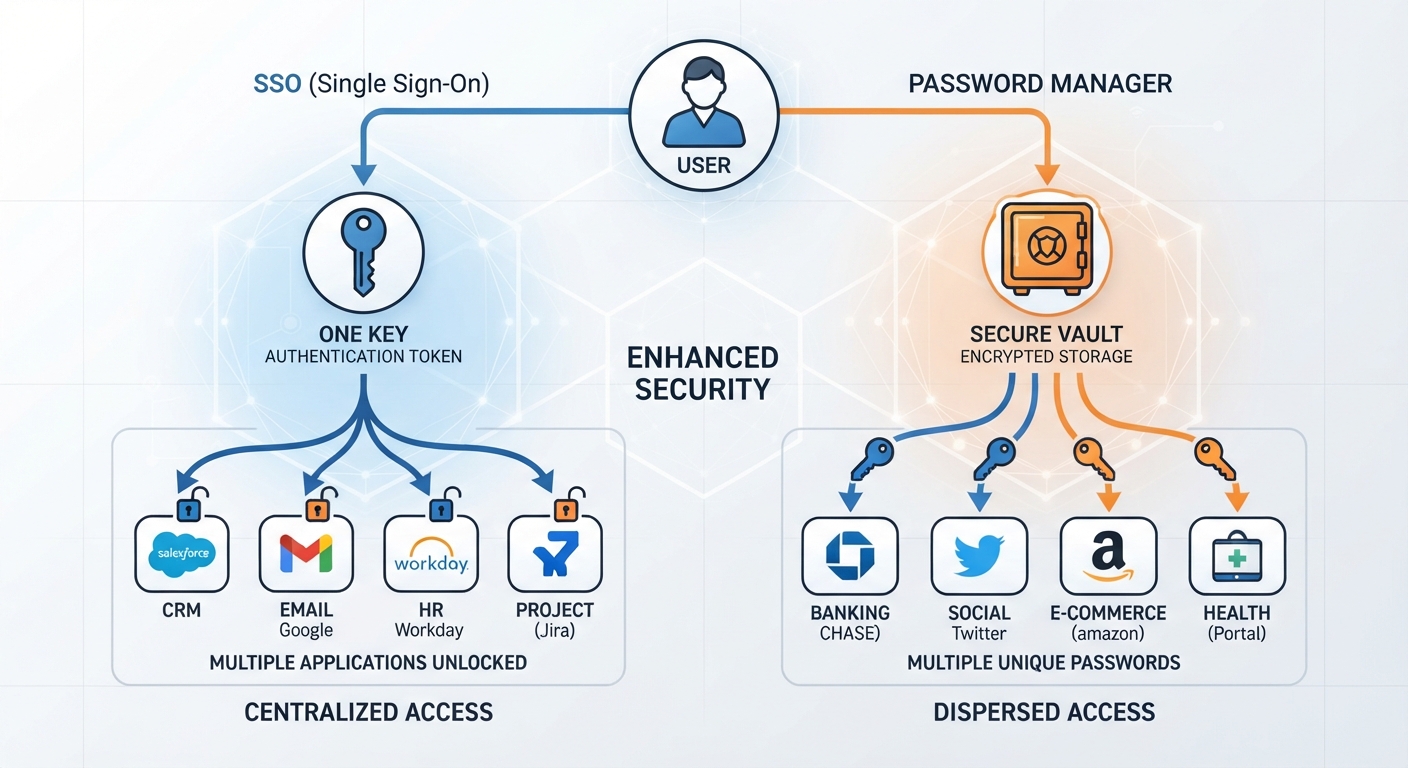
Here's a simple diagram to illustrate how it all works:

So, that's GDS in a nutshell. Pretty cool, huh? Now, let's look at how travel agents are actually using these systems today.
The Role of GDS in Modern Travel Booking
So, you know how travel agents used to spend hours on the phone, right? well gds changed that forever. They've become an integral part of how travel agents operate in today's scene. Let's dive in, shall we?
Wide range of travel options and suppliers: GDS are like a super-connector, linking travel agents to a massive network of airlines, hotels, car rentals, and other travel providers. Think of it as having a backstage pass to basically every travel option imaginable. This is a big deal, especially for niche travel agencies that needs to find that one specific eco-lodge in the Amazon or a boutique hotel in Kyoto. Beyond the usual suspects, GDS can also connect agents to providers for tours, activities, rail tickets, and even cruise bookings, offering a truly comprehensive travel planning solution.
Access to competitive pricing and deals: One of the biggest perks of using GDS is the access to real-time pricing and deals. Travel agents can compare prices from different airlines or hotels side-by-side, ensuring their clients get the best possible deal. It's like having a price comparison tool on steroids. This is particularly useful for businesses that need to manage their travel budgets carefully.
Efficient booking process: GDS streamline the booking process, making it faster and more efficient. Travel agents can book flights, hotels, and rental cars all in one system, without having to switch between multiple websites or make endless phone calls. This saves time and reduces the risk of errors.
Ability to create custom travel itineraries: GDS allows travel agents to create highly customized travel itineraries tailored to their clients' specific needs and preferences. Whether it's a multi-city trip across Europe or a relaxing beach vacation in the Maldives, GDS can handle it all.
24/7 availability and support: GDS operate 24/7, providing travel agents with access to real-time information and support whenever they need it. This is especially important for international travel, where time zones can be a major factor.
It's not all sunshine and rainbows, though. GDS does have its downsides.
Cost of GDS subscriptions and transaction fees: Accessing a GDS isn't free. Travel agencies have to pay for subscriptions and transaction fees, which can be a significant expense, especially for smaller agencies. These costs can eat into profits, making it harder to compete with online travel agencies (otas).
Complexity and training requirements: Let's be real, GDS interfaces can be clunky and complicated. They often require specialized training and expertise, which can be a barrier to entry for new travel agents. Navigating the system, understanding fare rules, and troubleshooting issues all demand a certain level of proficiency that takes time and resources to develop.
Competition from online travel agencies (OTAs): OTAs like Expedia and Booking.com have disrupted the travel industry, offering consumers a convenient way to book travel online without the need for a travel agent. This has put pressure on travel agencies to differentiate themselves and offer value-added services.
So, where do things like Gotriply fit in? Well, Gotriply is trying to shake things up with it's ai-powered trip planner that offers personalized travel itineraries. It functions as a consumer-facing platform that can be used by travel agents to help plan trips. While it offers features like exploring destinations and booking hotels and activities, it's not a direct replacement for GDS. Instead, it augments the planning process by leveraging AI for personalization, and agents might still use GDS for the actual booking and fulfillment of complex itineraries.
Looking ahead, GDS are likely to evolve and adapt to the changing needs of the travel industry. The rise of ai and machine learning could lead to more personalized and efficient travel booking experiences.
Alternatives to GDS for Travel Agents
Okay, so GDS isn't the only game in town, shocking, I know. Travel agents do have other options, and some of them are getting pretty popular, especially with smaller agencies trying to save a buck. What are these options? Let's take a look.
Online Travel Agencies (OTAs) and Aggregators: Think Expedia, Booking.com, and even Google Flights. These platforms aggregate a ton of travel options in one place. It's super convenient for customers, but travel agents can use them too...sort of. While Google Flights is more of a flight aggregator that directs users to airline or OTA sites for booking, platforms like Expedia and Booking.com are full-fledged OTAs where agents can sometimes book and earn commissions.
- Advantages and Disadvantages: OTAs are easy to use and often have good deals. The downside? Commissions for agents are usually lower, and you don't always have as much control over the booking process. Plus, you're competing with everyone else on the platform.
- Impact on Commissions: This is where it gets tricky. OTAs can squeeze travel agent commissions, making it harder to earn a decent living. Some agents supplement by charging service fees, but it's a balancing act.
Direct Booking with Suppliers: Most major airlines and hotel chains let you book directly through their websites. Think Delta.com or Marriott.com.
- Benefits of Direct Booking: Better control over bookings, potentially higher commissions, and the chance to build relationships with suppliers. You might even get access to exclusive deals or perks.
- Building Relationships: This is key. If you can establish a solid relationship with a hotel chain, for example, they might give you preferential treatment or offer better rates for your clients.
New Distribution Capability (NDC): Basically, it's a new standard for transmitting travel information, developed by IATA. It's meant to be more flexible and allow for more personalized offers directly from airlines.
- Technical Differences and Capabilities: Unlike the traditional GDS data model which is largely based on static fare rules and a limited set of fare types, NDC allows airlines to distribute a much richer set of content, including rich media, dynamic pricing, and personalized offers based on customer profiles. This is achieved through XML-based messaging, enabling more granular control over the offer and booking process.
- Benefits for Airlines and Agents: Airlines can offer more customized products and services, while agents can potentially earn higher commissions and provide better service to their clients by accessing these richer offers.
- Adoption and Implementation: NDC is still relatively new, and adoption has been a bit slow. But it's gaining traction, and it could eventually complement or, in some cases, offer an alternative to GDS for specific types of bookings, particularly those involving complex airline offers.
It's a changing world, that's for sure. Next up, we'll talk about how these changes are impacting the industry as a whole.
The Future of GDS and Travel Agents
Okay, so what's next for travel agents and these gds systems? It's not like they're gonna disappear overnight, right? Let's peek into the crystal ball, shall we?
GDS innovation is key, obviously: GDS providers have to keep up with the times. That means integrating with new tech like ai, machine learning, and all that jazz. Think smarter search algorithms, more personalized recommendations, and a smoother booking experience overall. If they don't they are going to be left behind.
ai and machine learning are going to be huge: Imagine ai that can predict flight delays before they happen, allowing agents to proactively rebook clients. Or a system that automatically identifies and suggests ancillary services, like seat upgrades or lounge access, based on a client's travel history and preferences. Dynamic packaging, where ai bundles flights, hotels, and activities into personalized trip options, is another huge use case. That's the power of ai in travel, folks. It could seriously cut down on travel headaches.
Mobile booking is non-negotiable: Everyone's glued to their phones, so gds needs to make mobile booking seamless. Think easy-to-use apps, mobile-friendly websites, and personalized offers based on your location and preferences. It's all about convenience, you know?
But here is the thing - tech isn't everything.
Expert advice still matters: ai can do a lot, but it can't replace the human touch. Travel agents offer expert advice, personalized recommendations, and insider tips that you just can't get from a computer. Especially for those complicated itineraries or unique travel experiences.
Complex travel? Leave it to the pros: Booking a simple flight is one thing, but what about a multi-city trip with connecting flights, hotel transfers, and visa requirements? Travel agents are experts at handling these complex arrangements, saving you time and stress.
Support during travel chaos is priceless: Flights get canceled, bags get lost, and things go wrong. When that happens, you want someone in your corner. Travel agents provide support during travel disruptions, helping you re-book flights, find accommodation, and navigate the mess.
"The best trip is one that runs smoothly, but the second-best is one where you have a travel agent who can fix things when they don’t." - Some smart travel blogger, probably
So, while gds might evolve, and tech will keep changing things, the value of a good travel agent isn't going anywhere. They're like the reliable compass in a world of ever-changing travel trends.
Next up, we'll wrap things up with a final look at the big picture.
Conclusion
So, are GDS systems ancient history? not quite – but they ain't the only players anymore. The travel industry's changing faster than my last vacation plans, honestly.
GDS: Still in the game: They still offer a comprehensive platform, especially for agents dealing with complex itineraries. Think about it; planning a round-the-world trip isn't something you wanna do on Expedia, right?
Tech is changing things: ai and mobile booking are becoming more important. GDS needs to keep up or get left behind.
Human touch is irreplaceable: Especially now, with travel being so unpredictable, having an agent who knows their stuff is priceless.
A recent survey found that travelers are increasingly valuing personalized service and expert advice, even if it means paying a bit more. (Source: [Hypothetical Travel Industry Trends Report, 2023])
Basically, GDS is sticking around, but agents gotta roll with the punches.