Flight Reservation System | Airline Booking System


TL;DR
- This article covers the technical backbone of how flights are booked and managed across the globe. It explains the complex world of PSS, GDS, and pnr systems while showing you how to find the best deals for your next adventure. You will learn the difference between booking and ticketing and how new tech like ndc is making personalized travel way easier for everyone.
The User Perspective: Planning your Adventure
Ever tried to plan a group trek through the Andes while everyone is shouting different flight times in a whatsapp group? It’s a total headache, but honestly, modern ai tools and "Aggregator" tech are finally making it less of a soul-crushing chore.
The cool thing now is that you don't just search "cheap flights"—you use platforms that act as aggregators, pulling data from thousands of sources at once. If you're an adventure seeker, you want the weird layovers that let you see a new city for 12 hours, not just the fastest route.
- Smart Route Optimization: These systems pull from huge databases like oag to find routes you wouldn't think of.
- Budget Matching: instead of just one price, you get an itinerary that balances your "I want to hike" energy with your "I only have $800" reality.
- Real-time adjustments: if a flight gets delayed, some platforms—like takeflite—offer cloud-based tools so everyone on your team sees the same real-time updates.
According to Takeflite, cloud-based systems allow multiple team members (or your travel buddies) to access and complete bookings in real-time from different locations. This is huge when you're trying to snag the last three seats on a tiny bush plane in Alaska.
I’ve started using shared itinerary templates where everyone votes on the "must-do" stops. It’s basically a group poll for your soul. You drop in the pnr (that digital folder we’ll talk about in a sec) and the tool maps out the rest.
Anyway, it's way better than the old days of paper maps and prayer. Next, we’re gonna look at the actual engine under the hood.
What is a Flight Reservation System anyway?
Ever wonder how a tiny screen on your phone somehow keeps you from losing a seat on a flight to Tokyo while thousand of other people are clicking "buy" at the exact same time? It's honestly kind of a miracle of messy, old-school tech meeting modern web apps.
At its heart, a Flight Reservation System—or an ARS as the industry nerds call it—is just a giant, digital ledger. According to Wikipedia, these systems allow airlines to sell their "inventory" (which is just a fancy word for seats) and keep track of schedules and fares.
- Inventory Control: This isn't just counting seats; it's about "fare classes." You might be sitting in 12B having paid $200, while 12C paid $600 because they booked late. The system manages these "buckets" in real-time.
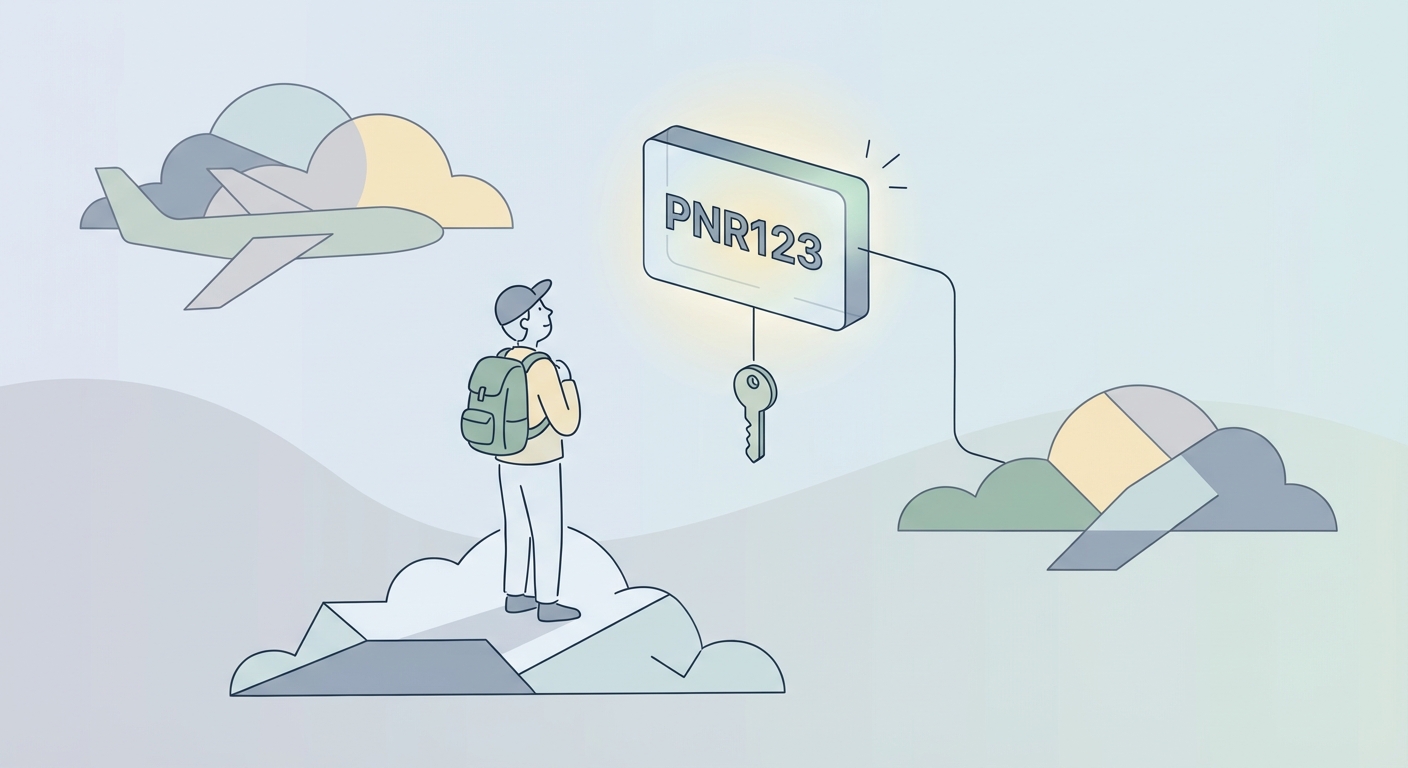
- The PNR: When you book, the system creates a Passenger Name Record. It's like a digital folder with your name, meal choice (vegan or bust!), and ticket info.
- Global Reach: Most big airlines push their data to a GDS (Global Distribution System) so travel agents can see it too.

Back in the day, booking was a nightmare involving actual paper cards and phonelines. As AltexSoft explains, the passenger service system (pss) has evolved into a massive suite that handles everything from the first search to the moment you reclaim your bags.
A huge turning point was the sabre system in the 60s, which was basically the first time agents could see seats in real-time. (Explained: How SABRE Transformed Aviation [and IT]) Then came deregulation in the late 70s, which meant airlines had to actually compete on price, making these systems business-critical overnight. (Airline Deregulation: When Everything Changed)
Anyway, it's a lot of moving parts. Next, we'll look at how these systems actually talk to each other without crashing.
The Tech Stack: Mainframes vs. APIs
The tech behind your ticket is basically a mess on a global scale, involving old-school mainframes and modern cloud apps trying to stay in sync. While the pss is the brain, the way it communicates is where things get interesting.
- Mainframe Legacy: Many airlines still run on TPF (Transaction Processing Facility), a high-volume operating system designed in the 60s. It’s old, but it handles thousands of transactions per second without breaking a sweat.
- The Big Three: amadeus, sabre, and travelport are the giants here. They act as the middleman, pulling data from various airline crs (Central Reservation Systems) to show you every possible flight in one go.
- Modern api Layers: Modern travel apps don't talk to mainframes directly. They use an api to bridge the gap. It’s why you can see a seat disappear in real-time while you’re still debating whether to pay for extra legroom.
- Pricing Updates: Carriers use ATPCO (the organization that manages and distributes airfare data) to update their prices up to four times a day for domestic flights. (ATPCO aims to help airlines do more dynamic pricing - Travel Weekly)

Once you click "buy," the system generates that pnr we mentioned. It’s got your name, passport info, and those all-important special service requests (ssr).
- The Secret Sauce: Your PNR contains codes like "VGML" (vegan meal) or "PETC" (pet in cabin). If you're flying qatar airways, you might even see a "FALC" code for—no joke—falcon transportation.
- Interlining: When you book a trip with two different airlines, a "Super PNR" links them together so your bags (hopefully) end up in the same city as you.
Honestly, it's a miracle it works at all. Next up, we're diving into the step-by-step pipeline and how the money actually moves.
The Step-by-Step Booking Pipeline
So, you’ve picked your destination and everyone in the group chat finally stopped arguing about the dates. Now comes the part where the "magic" happens—or where the tech gets real messy.
Once you hit that search button, the system kicks into overdrive. It isn't just looking for a seat; it’s looking for a deal that won't break the bank while also trying to upsell you on that extra legroom.
- Inventory Check: The crs checks if that seat actually exists. It’ll return an HK code (Holds Confirmed) if you’re good to go, or a UN code (Unable/Flight Cancelled) if someone else beat you to it.
- The "Extras" (Ancillaries): This is where you add the fun stuff. Instead of just a seat, you might add a "Priority Boarding" bundle or pre-pay for a surfboard. These use standard ssr codes to tell the airline what you bought.
- NDC Shopping: Some airlines are moving toward ndc (New Distribution Capability). It’s a newer way for them to show you "richer" content—like photos of the actual seat or a video of the business class cabin—instead of just boring text.

Here is a weird thing most people don't realize: just because you paid doesn't mean you have a ticket yet. Booking and ticketing are actually two different steps in the pipeline.
- The Financial Layer: When you pay via an agent, the money doesn't go straight to the airline. It usually sits in a system like bsp (Billing and Settlement Plan) or arc in the US. These are the clearinghouses that handle the billions of dollars moving between agents and airlines.
- The E-Ticket: It can take a bit for the e-ticket to actually issue. That e-ticket is the legal document that says you actually own that seat.
- Refunds: If you need to cancel, the system has to talk back to the bsp to trigger the refund, which is why it always feels like it takes forever to get your money back.
Honestly, it’s a lot of digital handshakes happening in seconds. Next, we’re gonna look at what happens when you arrive at the terminal and the Departure Control System takes over.
New Distribution Capability and the Future
Ever felt like the "deals" you see on flying sites are just generic leftovers? Honestly, that's because most systems still use tech from the 80s, but ndc is finally dragging things into the 21st century.
The old way—called edifact—is basically sending telegrams. As AltexSoft notes, ndc uses xml instead, which lets airlines actually show you what you're buying.
- Ditch the Middleman: ndc lets airlines talk directly to travel apps. No more waiting for a gds to update its "ledger."
- Personalized Vibe: Since the airline knows it's you, they can offer a "hiking package" with extra bag space for your boots instead of just a random seat.
- Rich Content: You get to see photos of the actual legroom or the vegan meal before you click buy.

A 2022 report by IATA mentioned that over 10 percent of travel agent sales are now moving through ndc channels.
It’s not just about flights anymore; it's about the whole experience. I’ve seen my travel buddies snag "bundles" that include wifi and lounge access for cheaper than the base fare alone.
Anyway, it's a huge shift from just "buying a seat" to "retailing an experience." Next, we’re gonna wrap this up by looking at what happens when you actually arrive at the terminal and the Departure Control System takes over.
Airport Operations: From Check-in to Baggage
So you finally made it to the airport with your crew, but the tech journey isn't over yet. Now the departure control system (dcs) takes the wheel to get your physical body (and those heavy hiking boots) onto the plane.
This is the part of the passenger service system that actually talks to the kiosks and gate agents. When you scan your phone, the dcs matches your details against the pnr we talked about earlier to make sure you're legit.
- Weight and Balance: This is super cool—the dcs calculates the aircraft's center of gravity. It looks at the weight of passengers, fuel, and cargo to make sure the pilot can actually take off safely.
- Baggage Tracking: As noted by AltexSoft, the system generates those 10-digit barcodes for your bags. Even though less than 0.5 percent of bags go missing, that code is your lifeline if your gear ends up in Rome while you're in Peru.
- Real-time Boarding: As you walk through the gate, your status flips from "checked-in" to "boarded" in the database instantly.

Honestly, it's a massive relief when that baggage tag prints out. After all the group polls and cost-splitting, seeing your flight status hit "flown" is the ultimate win. Now, go enjoy the adventure.