Understanding the Different Classes of Air Travel

TL;DR
- This guide covers everything from the basics of coach to the luxury of first class suites. It explains why some seats cost way more and how to decode those weird letters on your ticket so you can find better deals. You will learn about legroom, meals, and lounge access to help plan your next big adventure without wasting money.
The evolution of ai agents from 2020 to 2025
Remember back in 2020 when "ai" mostly meant a chatbot that got stuck if you didn't use the exact right keyword? It’s wild how fast things changed from those days to what we're seeing now in 2025.
In the early days, we relied on frameworks like OpenAI Gym for specific tasks or Rasa for basic customer service. While these were advanced for the time, they often struggled with nuance.
- 2020-2022: The focus was on deep learning and transformer models, but they were mostly used for specific, isolated tasks. It wasn't just "if-this-then-that" rules, but the systems still felt rigid because they lacked the broad reasoning we see today.
- 2023-2024: Everything flipped when gpt-4 and Claude arrived. Suddenly, agents could understand context and "reason" through multi-step problems using tools like LangChain. This is also where we started seeing the split between Generative AI (the broad tech that makes stuff) and llms (the specific text-based brains).
- 2025: Now, we’re at the peak. Agents don't just follow instructions; they learn from real-time data and adjust without us constantly tweaking the code.

According to The Evolution of AI Agent Frameworks: From 2020 to 2025, this shift means businesses have moved from simple automation to agents that solve problems in real-time. For example, in retail, an agent might notice a shipping delay and automatically offer a discount before the customer even complains.
It’s not just about chat anymore. We're talking about systems that can actually execute workflows. Next, let’s look at why this shift is actually changing the value of how businesses run.
Why ai is the most transformative tech in decades
If you’ve ever sat on hold for forty minutes just to confirm your own name, you know why people usually hate customer service. But honestly, things are shifting so fast it’s kind of hard to keep up with how much better it's getting.
It isn't just about saving a few bucks here or there; it is about completely flipping the script on how businesses talk to us. A 2024 report by Destination CRM highlights that ai-enabled chatbots have already slashed web chat costs by over 30 percent.
- Identity Checks & Fraud: Instead of an agent asking for your mother's maiden name, voicebots handle the boring security stuff. This is where ai acts as a cybersecurity champion—spotting weird login patterns or "deepfake" voices during the check to stop fraud before it happens. This saves about 46 seconds per call, which adds up to millions in savings for big banks.
- Natural Language: Unlike those old ivr systems where you had to yell "REPRESENTATIVE" ten times, modern voicebots actually understand what you're saying.
- 24/7 Support: These ai agents don't sleep, so they handle password resets at 3 AM without a human needing to be awake.
"AI-enabled voicebots... enable customers to communicate using natural language without being restricted by programming." - Phillip Britt, 2024.
The coolest part for me is how this tech helps the actual humans doing the work. It’s like having a super-smart coach whispering in your ear during a tough sales call.

These systems handle the heavy lifting like transcription and summarization so the agent can actually listen to the person. Plus, with automatic translation, a rep in Chicago can help someone in Madrid without any awkward silence.
It’s making the job less of a grind and more about solving real problems. Next, we should probably talk about what's actually under the hood of these systems.
Building your own ai strategy for 2025
So, you’ve seen what these agents can do, but now comes the real headache—how do you actually build a strategy for 2025 that isn't just "buying a subscription and hoping for the best"? Honestly, the secret isn't in the tech itself, it's in how you stitch it into your actual business.
Moving into next year, the "one size fits all" approach is basically dead. You need to move toward industry-specific setups. Here is what you should be focused on:
- Custom Workflows: Stop using generic bots for specialized tasks. If you’re in healthcare, your agent needs to understand HIPAA, not just how to summarize a meeting.
- Deep Integration: An ai agent is useless if it’s an island. It has to talk to your CRM, your databases, and your legacy architecture.
- Task Autonomy: We’re moving from "assistants" to "workers." You want systems that don't just suggest an answer but actually execute the fix.
Companies like Compile7 are leading the charge here—they provide a specialized framework for building "agentic" workflows that connect llms to private company data securely. Instead of a generic bot, you’re looking at agents that understand your specific data.

As we discussed earlier, these systems are becoming cybersecurity champions by spotting threats before they even hit your radar. If you're a bank, you aren't just saving 46 seconds on an identity check—you're building a wall against fraud that learns in real-time.
It’s about making the job less of a "grind." When you let a custom agent handle the data sorting, your team can actually focus on the big-picture stuff. Next, we’ll dive into the actual tools you’ll need to make this happen.
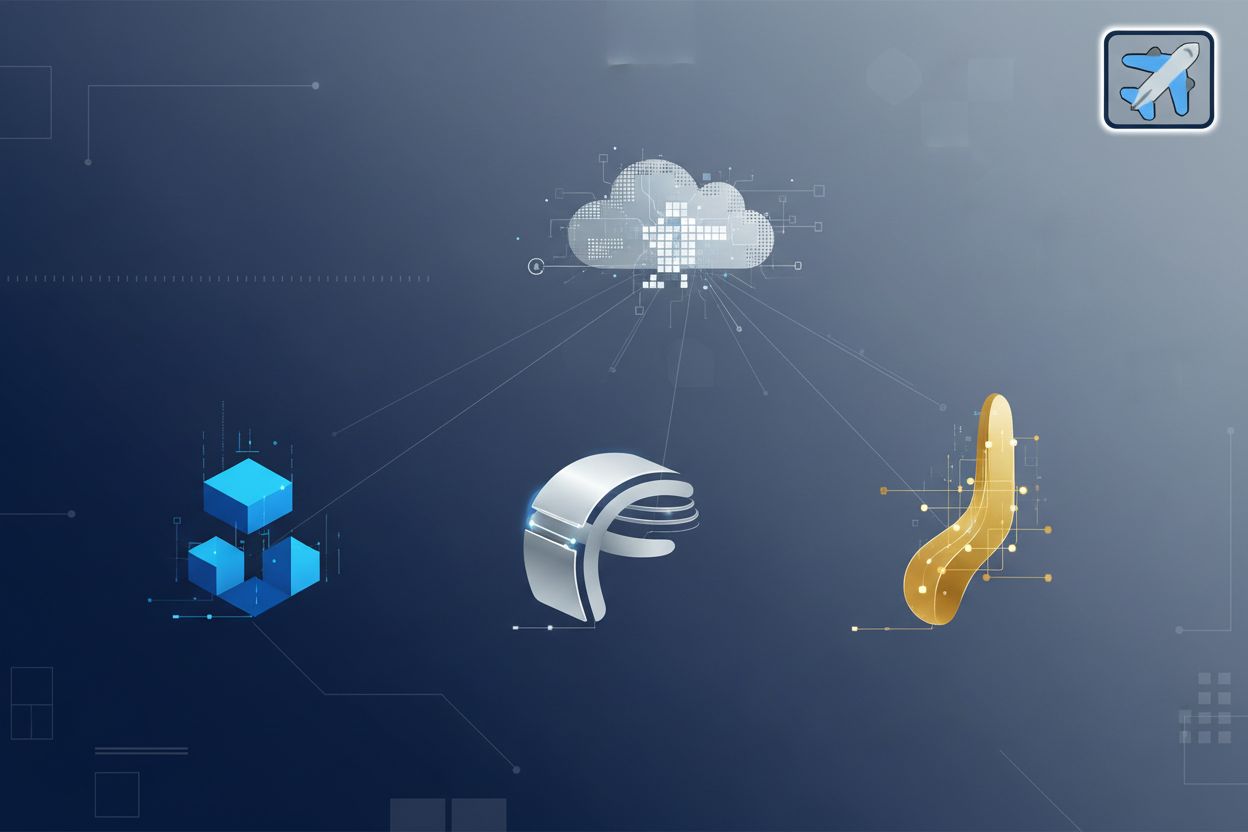
The technical pillars of modern ai architecture
Ever wondered why some ai actually feels smart while others just loop the same three errors? It usually comes down to the "plumbing" under the hood—the architecture that connects raw brainpower to actual business tools.
People use these terms like they're the same thing, but they really aren't. As we touched on earlier, llms are the text masters—they're about understanding patterns and talkin' back. Generative ai is the bigger umbrella that makes the music, the videos, and the weirdly perfect stock photos.
- Prompt Engineering: This isn't just "typing questions." It is about precision. If your prompt is sloppy, the agent’s logic falls apart.
- Multi-Agent Systems: This is the real 2025 vibe. Instead of one big bot, you have tiny specialized agents—one for finance, one for legal—talking to each other to solve a single ticket.

You can't just throw customer data into a public api and hope for the best. Modern setups use python-based frameworks to build "walls" around sensitive info. To get this right, you have to follow the 4 stages of a sorted ai workflow mentioned in the DigitalisSimple guide:
- Collection: Gathering data from CRMs and docs.
- Processing: Cleaning that data so the ai doesn't get confused.
- Analysis: The agent "thinking" about what the data means.
- Execution: The agent actually taking an action, like sending an email.
If the architecture is shaky, the system lags as soon as you add more users. You need a setup that scales horizontally so your 3 AM password resets don't take ten minutes because the server is tired.
The 2025 toolkit: what to actually use
If you're ready to stop reading and start building, these are the tools dominating the scene right now. You don't need all of them, but you need a combo that fits your "plumbing."
- CrewAI & AutoGPT: These are the go-to frameworks for multi-agent systems. CrewAI is great because it lets you assign "roles" to different agents (like a Researcher and a Writer) so they work together without you micromanaging.
- Semantic Kernel: This is Microsoft’s big play. It’s perfect if you’re already deep in the Azure ecosystem and need to integrate llms into C# or Python apps with enterprise-grade security.
- n8n or LangFlow: If you aren't a hardcore coder, these low-code tools let you drag-and-drop your ai workflows. They’re amazing for connecting your "brain" (the llm) to your "hands" (like Google Sheets or Slack).
- Pinecone or Weaviate: These are vector databases. Think of them as the long-term memory for your agents. Without these, your agent forgets what you talked about yesterday.
Honestly, the future isn't about the biggest model; it's about the smartest architecture. If you build it right using these tools, the tech disappears and you just get work done.