Understanding Passenger Name Records (PNR)

TL;DR
- This article covers everything you need to know about passenger name records (pnrs). It includes what pnr data is, who uses it, and why its important in the travel industry. Also, the article looks at how pnrs are created, managed, and secured, and also touches on emerging trends like ONE Order.
What Exactly Is a Passenger Name Record (PNR)?
Ever wonder what's happening behind the scenes when you book a flight online? It's way more than just picking seats and paying. It's all about the PNR.
So, what is a Passenger Name Record, or pnr? It's basically a digital file that keeps track of your trip details, who you are, and how you're paying. Think of it like a detailed receipt and a mini-database entry, all rolled into one. altexsoft.com
Here's the gist of what a pnr is all about:
- It's a digital file holding your itinerary, passenger details, and payment info.
- Consider it a booking confirmation and a data repository; pretty important stuff!
- pnrs are essential for airlines to exchange information, especially when you're flying with multiple airlines.
Okay, so what info actually goes into a pnr? There's the stuff that's absolutely required and then the extras. According to altexsoft.com, the mandatory bits include:
- A phone number so they can reach you.
- Who last changed the pnr – could be you or your travel agent.
- Your itinerary, gotta know where you're going!
- Passenger names, obviously.
- Ticketing info – how and when you'll get your ticket.
Optional stuff? Think extra flights, hotel bookings, payment details, your email, and even your frequent flyer number. It's all about making the booking complete and easy to manage.
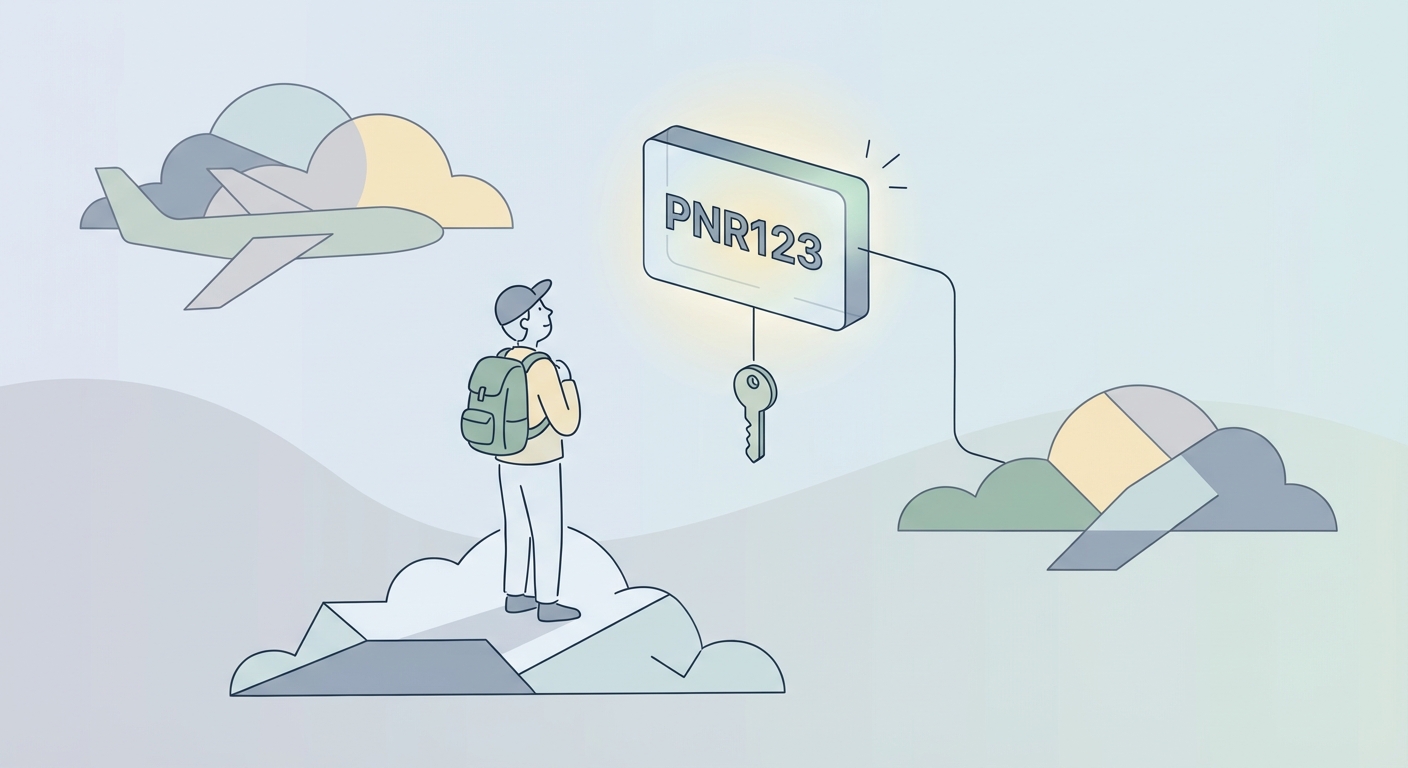
That weird 6-digit code on your booking confirmation? That's the pnr code, also known as record locator. It's not just random letters and numbers, though. Airlines use algorithms to make sure each code is unique and, believe it or not, to avoid any accidental profanity! You'll find it on your e-ticket and boarding pass too. You can use it to access your flight details or check-in online – super handy.
As you can see, the pnr is way more than just a booking confirmation. It's the backbone of air travel logistics.
pnr vs. Booking Reference, Confirmation Number, etc.: What's the Difference?
Okay, so you've booked a flight and you're staring at that confirmation email, right? All those numbers and letters—it can get confusing. Let's clear up the pnr situation once and for all.
Basically, the pnr itself is the whole shebang – the entire record of your booking. But, the pnr code? That's just the reference number, a shorthand way to find your specific pnr within the airline's (or travel provider's) system.
Think of it like this: your pnr is the whole file folder, while the pnr code is the label on the tab.
- You'll often see the pnr code called different things: record locator, booking reference, or even just confirmation number. They're all basically the same thing.
- Sometimes, the people selling you the ticket use "pnr" and "pnr code" like they're the same thing, but technically, it's not quite right; but hey, who's keeping score?
- Don't sweat the jargon too much, though! As long as you can find that code on your confirmation, you're golden.
It's easy to think pnrs are only for flights, but the idea has spread. The French railways, sncf, for instance, uses a "dossier voyage" – a travel number – that's similar. It's usually 6-8 characters long.
In India, the irctc (Indian Railways) uses a 10-digit pnr number. It's all about having a record that identifies your booking, no matter how you're traveling.
So, to sum up: pnr = full record; pnr code = the key to unlock it. Now, let's look at what info is actually in a pnr. Get ready for a deeper dive!
What's Actually In a PNR? A Deeper Dive
Alright, you've got your booking reference, and you know it unlocks your whole travel story. But what exactly is that story? Let's peek inside the pnr.
Beyond the mandatory stuff like your name, contact number, and itinerary, a pnr can hold a surprising amount of detail. Think of it as your travel command center.
- Passenger Details: This is more than just your name. It can include date of birth, gender, and sometimes even passport information, especially for international flights.
- Itinerary Details: This is the core – flight numbers, dates, times, departure and arrival airports, seat assignments, and any connections you've got.
- Ticketing Information: When was the ticket issued? What was the fare basis? This is all crucial for tracking your purchase.
- Payment Information: While not always the full credit card number, it usually includes details about how the booking was paid for, like the card type and last four digits.
- Ancillary Services: Did you book a special meal, extra legroom, or a hotel? All those add-ons get tucked in here.
- Frequent Flyer Information: Your loyalty program numbers are often included, helping you rack up those miles.
- Contact Preferences: Sometimes, you can specify how you want to be contacted – email, text, etc.
- Agent Information: If you booked through a travel agent, their details will be in there too.
It's this rich tapestry of information that allows airlines and travel providers to manage your journey from start to finish. It's the central hub for everything related to your trip.
The Life Cycle of a PNR: From Creation to Archiving
Ever wonder what happens to your flight details after you land? It's not like they just vanish into thin air, right? Actually, there's a whole lifecycle to these Passenger Name Records (pnrs).
So, how does a pnr actually come into existence and what happens to it along the way? It's kinda like watching a digital plant grow from a seed – a data seed!
Here's a breakdown:
- Booking: You, the intrepid traveler, books that flight! This could be through the airline's website, a travel agent, or some online platform.
- Initial PNR Generation: The airline or agent's system creates a pnr file. It has to include the mandatory stuff, like your name and contact info, as mentioned earlier.
- Booking Reference Assignment: boom! The system spits out that unique pnr code.
- Updates: uh oh, gotta change your seat or add a meal request? The pnr gets updated with all the new info.
- Confirmation: That sweet, sweet confirmation email lands in your inbox, pnr code and all!
- Archiving: Once your trip is done, the pnr gets archived; kinda like tucking it away in a digital filing cabinet.
Now, what if your trip involves more than one airline? Things get a little more complicated, but don't worry, it's all handled behind the scenes.
- If those airlines use different computer reservation systems (crss), their pnrs gotta be in sync.
- The first crs creates a "master itinerary" and sends copies to the other airlines; think of it as spreading the word.
- Each airline manages their part and gets their own record locator, and these locators all get sent back to the master pnr holder, connecting all the dots!
Sometimes, bookings are made outside a global distribution system (gds) – maybe you booked directly on an airline's website. What then?
- "Passive segments" are used to transfer that booking info to the gds that your travel agent uses.
- This makes sure your agent can manage the whole trip, handle any policy stuff, and give you support if you need it.
- But, these passive segments don't guarantee ticketing control.
So, you see, there's a whole behind-the-scenes process to keep your travel plans straight.
Who Uses PNR Data and Why?
Ever wonder who's actually looking at your PNR data? It's not just the airlines, that's for sure. Buckle up, cause' it's a bigger club than you think.
Airlines are the OG users, naturally. They uses pnrs for all sorts of operational stuff, like keeping track of your booking, figuring out where you're sitting, and if you want the chicken or pasta.
- But it goes deeper than that! Airlines also uses this data for revenue management. It helps them figure out how to price tickets, who's flying where, and when.
- pnr data is also useful for airlines to provide better customer service; like, if you're a frequent flyer, they'll know your seating and meal preferences.
- And of course, it's essential for loyalty programs, so they know how many miles you've racked up!
This is where it gets a little spicier. Governments use pnr data for border control and security, that's what it is.
- The us transportation security administration (tsa) uses something called secure flight passenger data (sfpd) to screen passengers. It includes stuff like your full name, birthday, and gender – all that jazz.
- They also collect advance passenger information (api), which is your passport details and even where you're staying the first night.
- It's all about trying to spot potential threats and keep things safe.
Don't forget the travel agents! They're still around, you know! They use pnrs to, like, create your whole freakin' itinerary, book everything, and keep it all straight.
- It's super useful for customer service, so they can answer your questions and make changes if you need them.
- pnrs help them track your travel arrangements, so nothing gets missed or messed up.
- And if you gotta cancel or change something? Pnrs make it way easier to handle those changes.
So, yeah, a lot of different folks are peeking at your pnr.
Privacy Concerns and Data Security: What You Should Know
Okay, so you're zipping around the world, seeing the sights... but what about all that data you're leaving behind? It's kinda creepy when you think about it, right?
PNRs, they're like a treasure trove for anyone looking to snoop.
- Think about it: pnrs contain a ton of personal data, ripe for the picking. Your name, your flight details, your contact info – it's all there. And it's not just airlines holding onto this stuff.
- Then you got data breaches and unauthorized access; it's like leaving your front door unlocked. Hackers love this kinda stuff. It's not just some theoretical risk, either, i've seen reports about airlines getting hit all the time.
- And it can get really nasty. pnr data can be used for identity theft, opening credit cards in your name, that kinda thing. Or even worse, imagine being denied something because of some weird data point in your pnr – that's discrimination, plain and simple.
- Plus, there's the stuff you don't even think about. Like, maybe you requested a special meal because of an allergy? That's sensitive data floating around. It's easy to imagine that info being used against you, somehow.
So, what's being done to keep all this under control? Well, there's some stuff.
- There's the eu pnr directive thing, which tries to lay down the law about how pnr and api data are handled. It's supposed to keep things in check, but...
- The us has its own system, too – the automated targeting system (ats), where pnr data gets stored. Sounds kinda ominous, right?
- Supposedly, data is depersonalized after six months; they take out the names and stuff. and it's supposed to be deleted after five years.
- But here's the kicker: some experts, like that Edward Hasbrouck guy, basically say pnrs are never really deleted. They just get moved to some digital archive. Kinda makes you wonder, huh?
So, what can you do about all this?
- Be mindful of the information you provide when booking. Do you really need to give them your frequent flyer number? Or that detailed meal request? Think about it.
- Review your pnr details after you book. Make sure everything's accurate. If there's something wrong, get it fixed!
- Use strong passwords when you're booking online - and make sure the website is secure (https, you know the drill).
- Understand the airline's privacy policy. It's boring, I know, but it's worth a quick skim. See what they do with your data and how long they keep it.
Look, it's a jungle out there. Knowing what's happening with your pnr data is the first step to protecting yourself.
The Future of Travel Records: Enter ONE Order
Imagine juggling boarding passes, baggage tags, and a half-eaten sandwich while sprinting through the airport – that's kinda how airlines are dealing with travel records right now, but things are about to get way smoother... hopefully.
IATA's ONE Order initiative is basically trying to Marie Kondo the whole travel record system. Instead of airlines grappling with three different types of documents – the pnr we've been talking about, e-tickets, and electronic miscellaneous documents (emds) for all those extra fees, like baggage or seat upgrades – ONE Order aims to bundle everything into a single, neat package.
- Think of it this way: right now, you got a PNR for your flight details, an e-ticket for payment, and an emd (that's an Electronic Miscellaneous Document, for things like baggage or seat upgrades) for that extra legroom you had to have. ONE Order wants to squash all that into one single XML file.
- This isn't just about tidiness; it's about making data exchange way easier. No more wrestling with different formats and systems; everyone speaks the same language.
- For airlines and travel agents, it means less complexity, fewer errors, and faster processing. It's like going from dial-up to fiber optic.
So, what’s in it for the average traveler, besides airlines saving a buck?
- Think personalized travel. With all your info in one place, airlines can offer you better deals and services tailored to your needs. Remember that gluten allergy? They won't forget.
- Faster booking and ticketing. No more jumping through hoops or waiting on hold for hours, which honestly, no one has time for.
- And, hopefully, better data security. Consolidating data into a single, well-protected system could be more secure than the current patchwork setup.
Okay, so it sounds great, but there's always a catch, isn't there?
- Switching to ONE Order isn't gonna be a walk in the park. Airlines need to invest in new systems and upgrade their infrastructure, like their reservation and ticketing systems. That takes time and, you guessed it, money.
- It's not just about one airline doing it; the whole industry needs to get on board and agree on standards. Imagine trying to build a global Wi-Fi network where every country uses a different plug.
- And then there's the issue of migrating all that old data. It's like trying to move a library from paper to digital; it's a massive undertaking.
Ultimately, ONE Order promises a more streamlined, efficient, and personalized travel experience, but, getting there will be a journey in itself.
Gotriply: Plan Your Adventure with Ease
Planning a trip can feel like herding cats, right? So many details, so little time. Thankfully, there are tools out there, like gotriply, that can make it way less of a headache.
Gotriply is basically an ai-powered trip planner that wants to take the stress out of vacation planning. I mean, who actually enjoys spending hours comparing flights and hotels? It's designed to make the process a little more fun and a lot easier.
- Personalized itineraries are the name of the game. Tell gotriply what you're into – hiking? Museums? Food tours? – and it whips up a custom itinerary. No more generic, one-size-fits-all plans.
- Discover hidden gems. Seriously, who wants to just hit the same old tourist traps? Gotriply digs up those cool, local experiences you won't find in your dusty guidebook.
- It's all about making travel planning accessible. You don't need to be a travel agent or a geography whiz to plan an amazing trip.
Gotriply isn't just about suggesting places; it's about making the whole process smooth.
- Destination exploration guides are super handy. It gives you the lowdown on the best attractions, activities, and restaurants in a particular area. Consider it your pocket-sized local expert.
- It can help with the actual booking. Hotels, flights, activities – you can book 'em all through the platform. No more bouncing around between a million different websites.
- Real-time travel updates are a lifesaver. Flight delays? Gate changes? Gotriply keeps you in the loop, so you're not caught off guard at the airport.
Honestly, it's mostly about saving time and getting better experiences.
- Let ai handle the heavy lifting. Planning a trip can be a part-time job, honestly. With gotriply, you can focus on the fun part – actually going on the trip.
- It's all about personalized recs. Find activities and attractions that actually match your interests, not just whatever's trending on instagram.
- Travel with confidence, knowing you have real-time info.
So, next time you're itching for an adventure, give gotriply a shot. After all, the less time you spend planning, the more time you spend exploring, right?
Conclusion: PNRs and Your Travel Experience
Okay, so we've been diving deep into the world of Passenger Name Records – who knew there was so much to it? It's way more than just that confirmation code you get when you book a flight, that's for sure.
- Firstly, understanding PNRs means you're more in control of your travel. Think about it: knowing what info is stored, how it's used, and who has access, lets you be proactive about correcting errors or questioning weird charges.
- Plus, being PNR-savvy can seriously streamline your trips. Like, if you know airlines use PNRs for operational stuff, you're less likely to freak out when they ask for your booking reference. Instead, you're like, "Yeah, I know what that is."
- And let's be real, privacy is a big deal. Knowing your rights around PNR data—who sees it, how long they keep it, what you can do about it—is just smart in today's world. Governments use this data for border control, as we talked about, so it's good to know what's up.
- Finally, keeping up with trends like IATA's ONE Order makes you a smarter traveler. As mentioned earlier, this initiative aims to simplify and consolidate travel records, potentially leading to more personalized and efficient experiences.
The travel industry is changing fast, and technology is leading the charge. We're talking ai, better data management, all that jazz.
Tools like gotriply, the ai-powered trip planner, are making it easier to plan adventures. As previously discussed, it helps you discover hidden gems and creates personalized itineraries.
But with all this tech, data security and privacy are even more important. It's crucial to stay informed and take steps to protect your personal information, as we've seen the risks are real.
Ultimately, embracing innovation and staying informed will help you get the most out of your trips. It's about being ready for whatever comes next and making travel a little less stressful, a little more fun.
So, what's next? Time to put all this knowledge to good use and start planning your next big adventure!